Reshaping Organizations to Develop Responsible Global Leadership
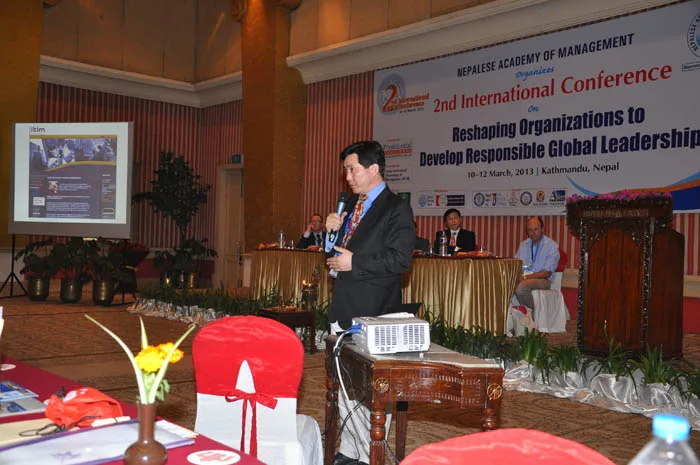
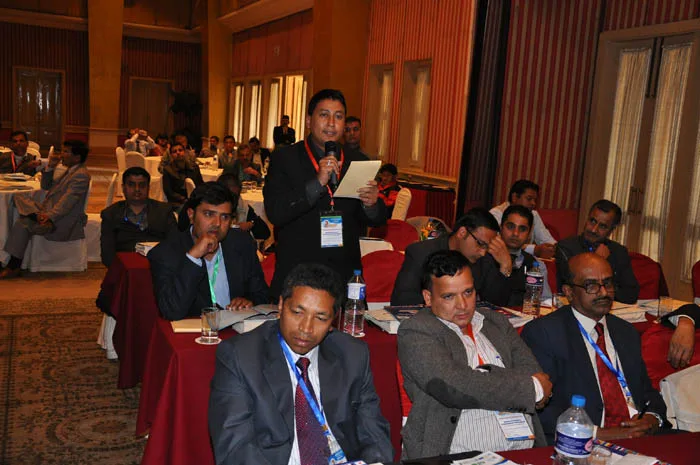
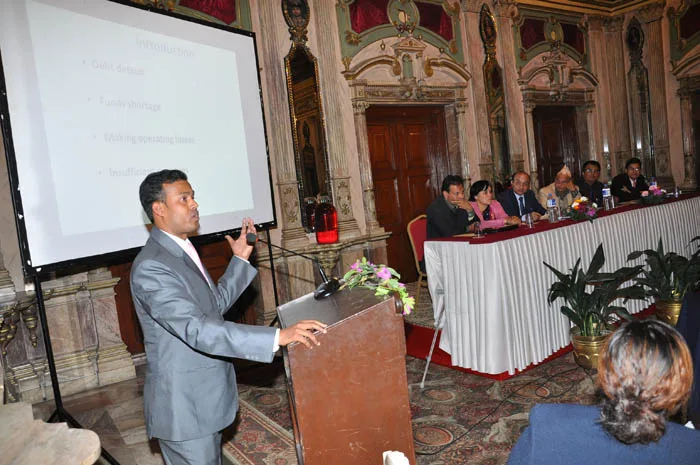
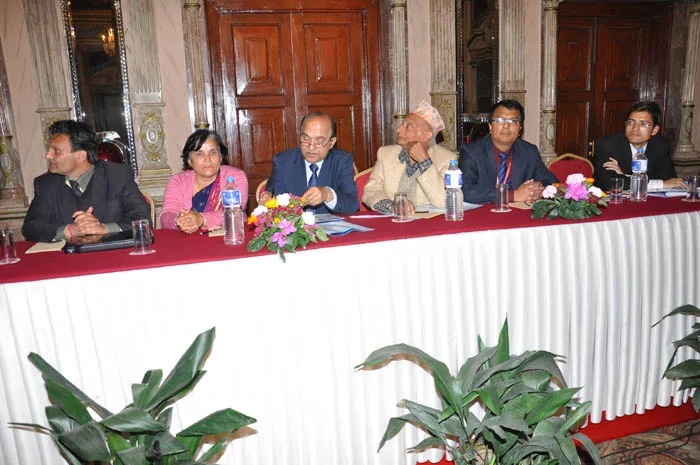
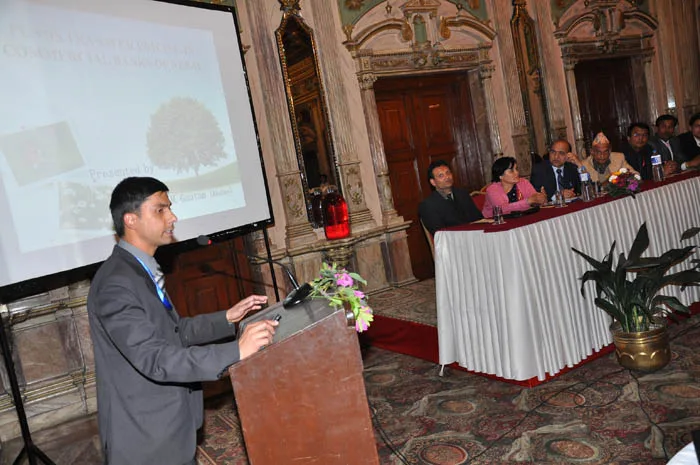
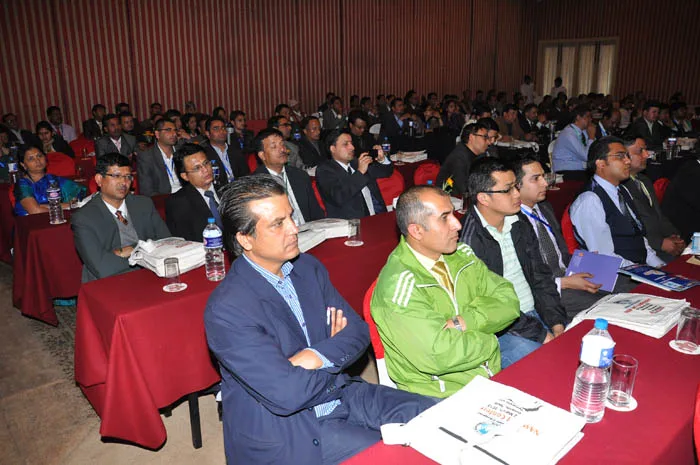
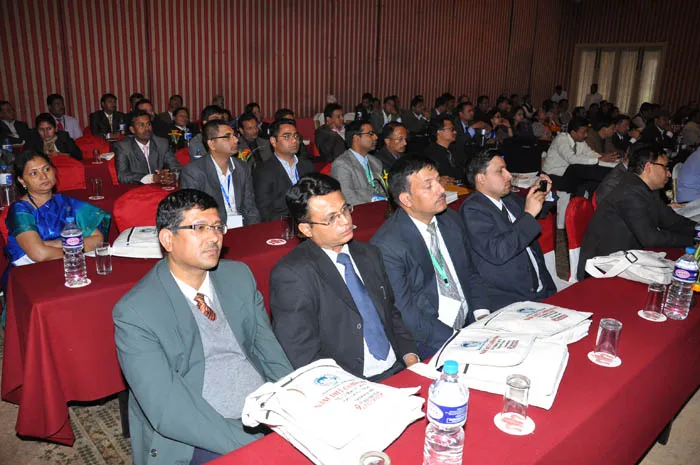
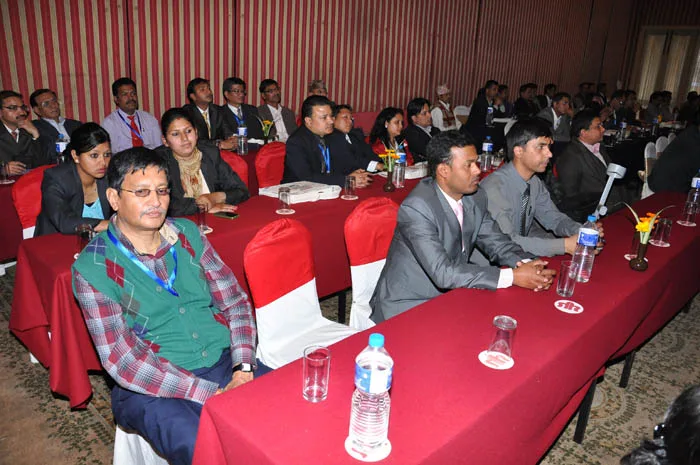
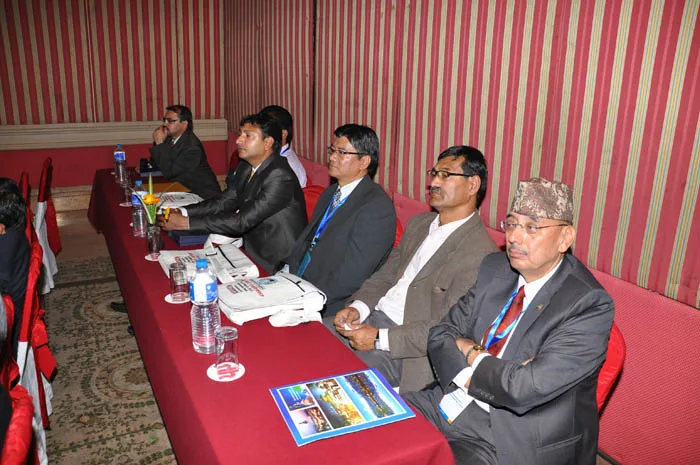
Three hundred participants and 101 research papers from 30 countries examined how organizations balance corporate success with social benefit. The first issue of the Academy's journal was released at the conference.
- 300
- participants
- 101
- research papers
- 30
- countries
- 16
- technical sessions
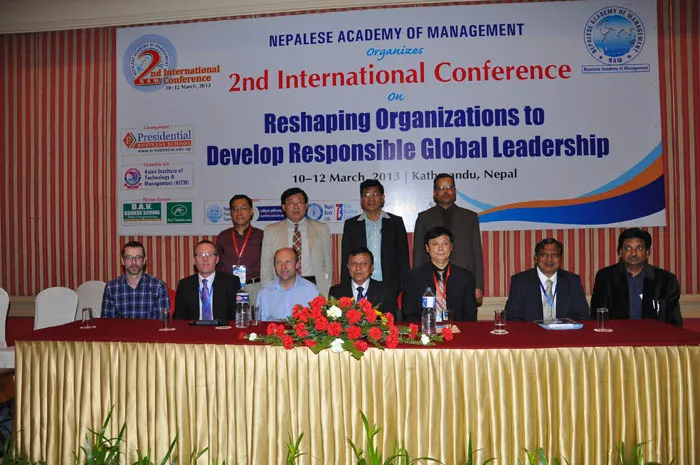
The rapid industrialization of emerging economies such as China, India, Brazil and South Korea, the growth of south–south trade, and the challenge of the UN Millennium Development Goals prompted businesses and institutions to seek sustainable and balanced economic development. The second conference asked how organizations should balance corporate success and social benefit, particularly when nations are at different stages of development.
A global economy, faster technological change and growing interdependence among nations create new opportunities and threats for private and family businesses, which are critical to political, social and economic development in the Asia-Pacific region. Foreign direct investment can raise productivity, output, employment and incomes through competition and through technological, managerial and organizational spillovers; it can also harm growth when the investment is mismatched with a host country’s conditions and absorptive capacity. Internationalization, historically associated with multinational corporations, is increasingly the business of small and medium-sized enterprises.
Against this background the Academy invited theoretical and empirical research, case studies and multi-country comparative studies that advance understanding of the processes shaping organizational and national development. The conference combined contributed paper sessions, plenary presentations, case studies, round-table seminars, panels and workshops, and published refereed proceedings.
Highlights
- Four keynote speakers in two sessions, three plenary sessions, 16 technical sessions and three workshops.
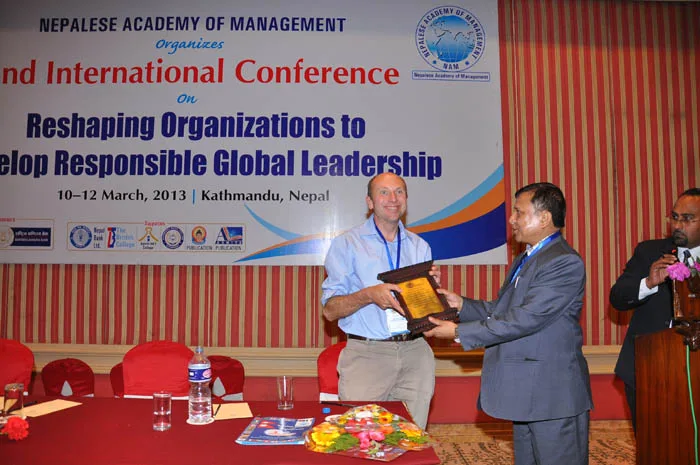
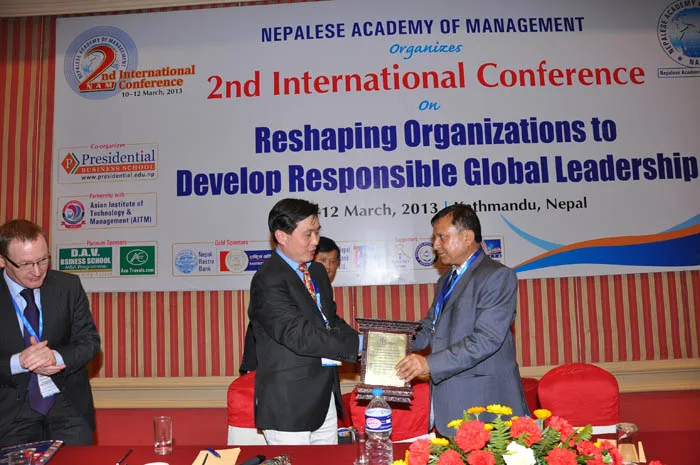
- The inaugural issue of The International Journal of Nepalese Academy of Management and the conference proceedings were released by the Finance Minister of Nepal.
- Delegates came from 30 countries and from almost every state and major city of India.
- Followed three weeks later by the Academy's first Doctoral Consortium and Faculty Development Programme with SAMS (UK).
Keynote speakers

Prof. Geoffrey Wood
Warwick Business School, University of Warwick, UK
International business perspectives
Biography
Professor of International Business and Associate Dean at Warwick Business School. He was previously Professor and Associate Dean at the University of Sheffield's School of Management and Director of Research at Middlesex University Business School, and has taught at Rhodes University, South Africa. He served as Commissioned Researcher for the South African Truth and Reconciliation Commission and has authored, co-authored or edited seven books and over one hundred peer-reviewed articles. His research centres on the relationship between national institutional settings, corporate governance, firm finance and employment relations.

Prof. Tony Fang
Stockholm University, Sweden
Corporate culture and people management perspectives
Biography
Professor of Business Administration at Stockholm University and Visiting Professor at the Asia Research Centre, Copenhagen Business School. He holds a Ph.D. from Linköping Institute of Technology. He is known for his research on Chinese business negotiating style, for his debate with Geert Hofstede's theory of culture, and for developing the Yin Yang perspective on culture. He is the author of Chinese Business Negotiating Style (Sage, 1999).

Prof. Michael J. Morley
Kemmy Business School, University of Limerick, Ireland
Corporate culture and people management perspectives
Biography
Professor of Management at the Kemmy Business School, University of Limerick, where he teaches international and cross-cultural management. With his collaborators he has published some 20 books, 22 guest-edited journal special issues and over 140 journal articles and book chapters. He is a Past-President of the Irish Academy of Management and, at the time of the 2013 conference, President-Elect of the International Federation of Scholarly Associations of Management (IFSAM).

Prof. Wang Guo-An (Andrew Wang)
Zhejiang Gongshang University, China
Organization and changes in Asian emerging countries
Biography
Professor of International Trade at Zhejiang Gongshang University, Hangzhou. He served as Secretary General of the IAUP Northeast Asia Council (2007–2010) and has taught and lectured on doing business with China at universities across Asia, Europe, Oceania and North America. He is co-author of World Economy Research and International Service Trade.
Conference leadership
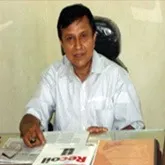
Prof. Dr. Dev Raj Adhikari
President of NAM and Conference Chair
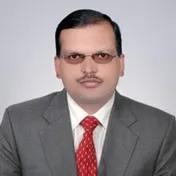
Conference Coordinator
Conference tracks
- 01
HRM and Cross-Cultural Study
Strategic and international HRM, cross-cultural management, talent management, labour relations, multicultural work teams, expatriates and foreign assignment, global mindsets and leader competencies.
- 02
MNCs and International Business
Entry strategy, adaptation to local contexts, institutional perspectives on FDI, internationalization processes, joint ventures and alliances, parent–subsidiary relationships, MNEs and local economic development.
- 03
Organizational Leadership and Change
Organizational change and development, leadership, strategic management, global strategy, competitiveness, innovation and R&D, organization and information technology, tourism management.
- 04
SMEs and Entrepreneurship
International entrepreneurship, new ventures and incubation, early and rapid internationalization, globalization and SMEs, offshoring and outsourcing, young and women entrepreneurship, family business.
- 05
Innovation and Knowledge Management
Organizational learning, knowledge strategies, global and local knowledge, networks for innovation, internationalization of R&D, learning alliances, reverse knowledge transfer.
- 06
Economics, Finance and Accounts
Capital market development, corporate performance, cross-border M&A, international economics and finance, fiscal and monetary policy, economic development, trade and the WTO.
- 07
Marketing Management
Market orientation, branding, new product development, buyer behaviour, supply chain management, service marketing, green marketing, customer relationship management.
- 08
Corporate Social Responsibility
Corporate governance, accountability and transparency, business and environment, business–government interaction, triple bottom line, bottom of the pyramid, ethics and codes of conduct.
Panels on doing business in Nepal
- Doing business in hydropower
- Doing business in tourism and hospitality
- Doing business in higher education
- Business in computer and information technology
- Doing business in herbs and natural resources
Scientific Committee
- Prof. Dr. Madan Kumar Dahal
- Prof. Dr. Kundan Datta Koirala
- Prof. Dr. Govinda Ram Agrawal
- Prof. Dr. Bishwombhar Pyakurel
- Prof. Dr. Radhe Shyam Pradhan
- Prof. Dr. Puspa Raj Kandel
Countries represented
Australia · Azerbaijan · Bangladesh · Bhutan · Canada · China · Germany · Hungary · India · Ireland · Italy · Japan · Jordan · Libya · Mexico · Nepal · Philippines · Poland · Russia · Saudi Arabia · South Africa · Sri Lanka · Sweden · Switzerland · Taiwan · Thailand · Uganda · United Kingdom · United States
Key dates (as announced)
Supporters
- Nepal Bank Limited
- The British College, Kathmandu
- Apollo International College
- KMC Educational Network
Documents
- Conference Proceedings407 pages · 5.3 MBDownload
- Conference Programme28 pages · 13.2 MBDownload
- Call for Papers12 pages · 0.4 MBDownload
- IJNAM, Volume 1, Number 1Released at the conference · 3.2 MBDownload
In the press
- The Himalayan Times, 10 March 2013: “Management conference kicks off”
- Republica, 11 March 2013
- Edusanjal, March 2013: “2nd International Conference of Nepalese Academy of Management”