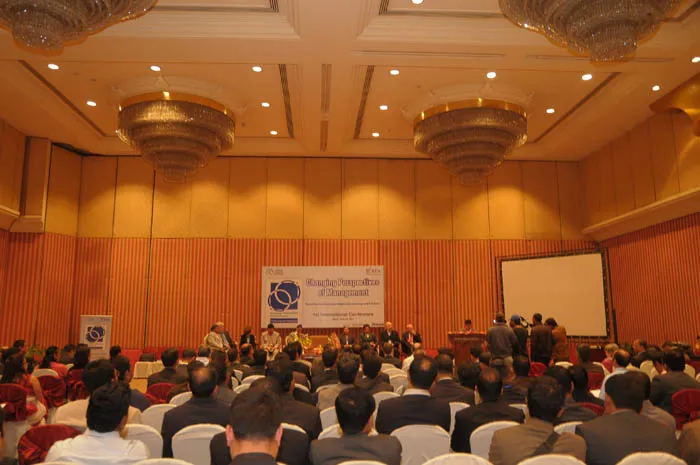
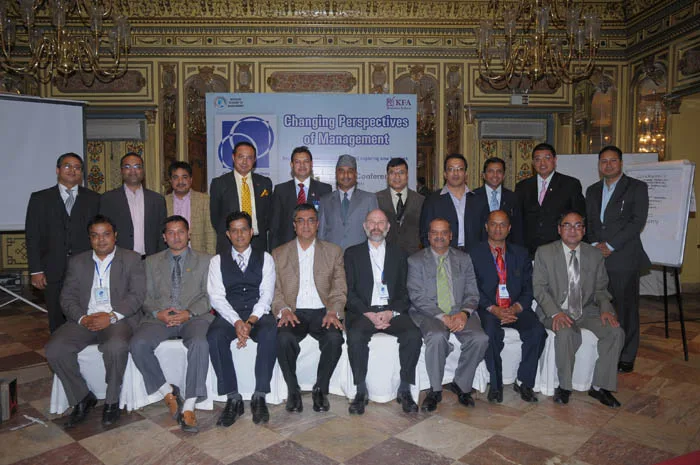
Asian societies hold a variety of practices, beliefs, social roles and forms of organization, and these shape how people are managed. Similar strategies produce different outcomes because of contextual variables: industrial relations systems, labour markets, human resource practices and a changing business environment. Power distance, paternalism, collectivism and social relations give rise to distinctive styles of leadership and to distinctive organizations such as the family business. At the same time, rising foreign direct investment, cross-border alliances, business process outsourcing and the growth of multinationals in the region raised the question of how best to manage in turbulent times.
The global economic crisis of 2008 also challenged management researchers to consider whether their research contributes to the well-being of the societies in which they live and work. The conference therefore set itself two tasks: to revisit the applicability of existing theories in the light of changing perspectives of management, and to generate novel theoretical ideas that better reflect those dynamics.
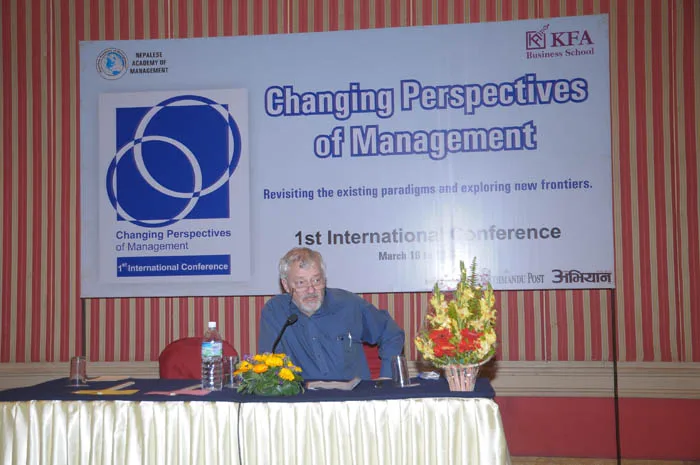
In his welcome address, the President of the Academy, Prof. Dev Raj Adhikari, observed that countries including Nepal had “not been able to cope so well with the changes in the management perspective even after changing their political and economic goals and priorities more than two decades ago”, and gave this as the rationale for convening the conference in Kathmandu.